General information only. Property, tax, family and municipal rules vary across Canada. Obtain province-specific legal and tax advice before selling, gifting, donating or transferring woodland.
Why People Stop Wanting Woodland
Woodland often becomes unwanted gradually: an unexpected inheritance, years of distance, changing health, storm damage, washed-out access, insurance, taxes, or children who have plainly said they do not want the responsibility. What once felt meaningful can become one more unresolved obligation.
None of this makes you a bad steward. A deliberate sale, transfer, donation or succession plan may be more responsible than holding the land from guilt while its future remains uncertain.
You do not have to keep owning the woodland to care about what happens to it next.
Start by Deciding What Matters Most
Do not begin with “should I sell or donate?” Begin with the outcome you actually need. That answer narrows the options more reliably than choosing a transaction before you understand your own priorities.
I need money
A realistic sale or negotiated transfer deserves the first look.
I want it protected
Speak with an eligible conservation organization or land trust.
I want someone else to care for it
A willing recipient, donation or stewardship transfer may fit.
I still want to use it
Keep it for now and create a documented future plan.
I want it to stay in the family
Have the honest succession conversation before transferring it.
I want it restored
Look for a restoration-focused steward with long-term capacity.
Your Six Realistic Options
Start with the outcome you need rather than the transaction you have heard about. Payment, continued use, family succession and a specific ecological future point toward different paths.
Keep it—with a purpose
Recreation, habitat, a managed woodlot, family retreat, future timber, restoration or seed production.
Sell it
List publicly, approach neighbouring owners or work with an agent familiar with rural and wooded land.
Transfer it to family
Only when the intended family member understands the costs and genuinely wants ownership.
Donate it
Approach an eligible conservation, community or stewardship recipient that can responsibly accept it.
Find a restoration steward
Explore native forest, habitat, seed-orchard, education or long-term management potential.
Plan a future transfer
Keep using the woodland now and address its future through a lawyer-prepared will and recipient conversation.
Keep the Woodland—But Give It a Purpose
Before letting go, ask whether the property could become something you genuinely value: recreation, hunting, wildlife habitat, a managed family woodlot, native forest restoration, a retreat, future timber, a nut orchard or a native seed orchard.
Private family woodlots are a recognized part of Canada's forest landscape. Keeping one can be meaningful, but it still means carrying taxes, access, safety, insurance and management. A purpose is useful only if you are willing and able to support it.
Useful next step
A professional forester can help you understand forest condition, potential management goals and whether timber assumptions are realistic before you decide to keep or sell.
Sell the Woodland
An ordinary listing, private sale, neighbouring landowner, recreational buyer, farmer adding acreage or another woodlot owner may be realistic. Price it as rural land, not as a house lot with trees. Legal access, parcel shape, boundary certainty, wetlands, buildings, timber and local demand all affect value.
Some parcels take longer to sell—especially landlocked, very small, remote or title-complicated properties. A narrow buyer pool does not make a sale impossible; it changes who the likely buyer is and what a realistic timeline looks like.
Transfer the Woodland to Family
You may be able to transfer woodland to children, siblings or another relative. The important step is asking whether they actually want ownership—not whether they like the idea of keeping it “in the family.” They need to understand taxes, access, insurance, management and future decisions.
Shared ownership can create disagreements about use, costs, harvesting and sale. A clear succession plan can be kinder than dividing the same unresolved responsibility among several people. Our guide to creating a forest legacy examines family succession in more depth.
Donate the Woodland
Woodland may be considered by a registered charity, land trust, conservation organization, municipality, community organization or another capable steward. The recipient must review the property and agree to accept it; title transfer, carrying costs and future management are real responsibilities.
Donation does not automatically guarantee permanent conservation or a charitable receipt. Recipient status, valuation, transaction structure and program eligibility matter. Our complete guide to donating land in Canada explains the available structures and tax boundaries.
Find a Restoration or Stewardship Future
Some woodland could support native forest restoration, habitat improvement, seed collection, a native seed orchard, education, research or long-term management. Sometimes the best intervention is limited; an existing forest may need protection and patient care more than planting.
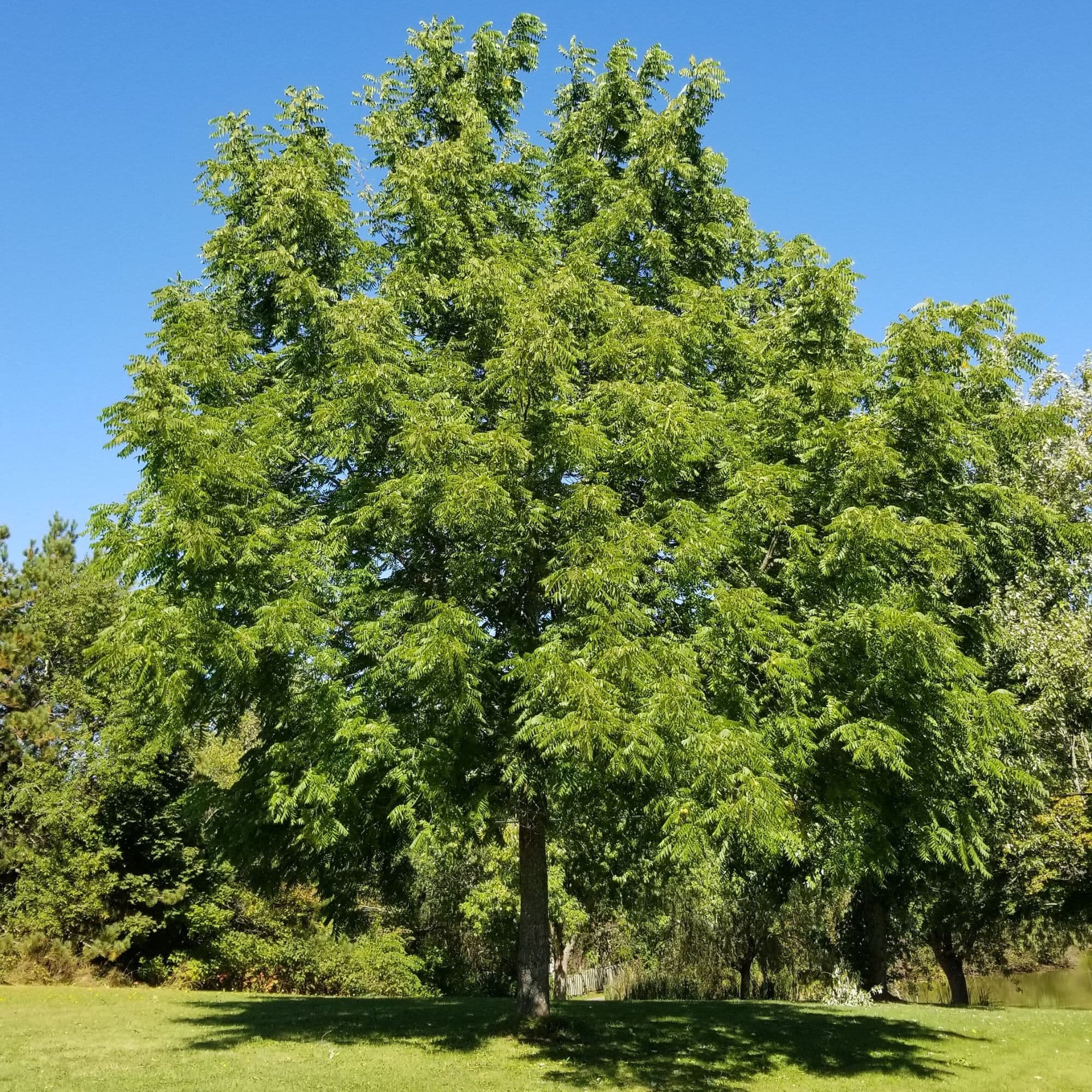
The woodland may feel like a burden to its owner and still hold a meaningful future for the right steward.
Plan Its Future Through Your Will
If you are not ready to give up the woodland now, you can retain ownership while creating a future plan. Speak with the intended recipient before naming them, account for estate tax and costs, and ask a lawyer to prepare a fallback if that recipient cannot accept later.
Read our detailed guide on how to leave land in your will before treating a sentence in a will as a complete woodland succession plan.
What Happens If You Simply Walk Away?
Stopping visits or correspondence does not itself end ownership. Property taxes and other owner responsibilities do not disappear because the land is unused. Provinces and municipalities have formal processes for tax arrears and possible tax sales, but timing and consequences vary.
A tax-sale process is not an easy or controlled transfer strategy. A deliberate sale, gift or donation gives you much more influence over timing, costs, recipient and the land's future. Ask the municipality and a local lawyer what applies before arrears accumulate.
Which Option Fits Your Situation?
I need money from the woodland
- Seek a realistic market valuation
- Ask neighbouring owners
- Use a rural land agent
- Consider timber value separately and carefully
Nobody in my family wants it
- Sell it
- Donate it
- Find a compatible steward
- Prepare a future bequest with a fallback
I want the forest restored
- Native forest restoration
- Habitat improvement
- A native seed orchard
- A stewardship organization
I still want to use it
- Keep ownership for now
- Create a management plan
- Build a succession plan
- Arrange a future transfer through your will
I honestly do not know
- Gather the property facts
- Walk the land with a forester
- Talk with family
- Have a non-binding conversation with possible recipients
Gather This Before You Decide
You do not need a perfect file. These basics help a buyer, forester, lawyer or potential recipient understand whether the woodland and your preferred path are workable.
- Acreage and parcel or PID number
- Current deed and registered owners
- Legal access, roads and rights of way
- Annual property taxes
- Mortgages, liens or tax arrears
- Survey or boundary information
- Current photographs and maps
- Wetlands, streams and shoreline
- Forest type, age and condition
- Recent harvest or management history
- Buildings, wells or other structures
- Known contamination or dumping
- Family wishes and co-owner views
- Your preferred timeline
- Whether you need payment
- What you hope happens to the woodland
Little Tree Farm
Could Little Tree Farm Help With Your Woodland?
Little Tree Farm is a working bare-root nursery in Nova Scotia developing a Canada-wide land stewardship initiative. We may consider woodland that could support native forest restoration, seed orchards, wildlife habitat, education, research or another long-term stewardship use.
Every property is different. We cannot promise to accept, purchase or permanently protect woodland, and we do not promise a charitable receipt or reimbursement of costs. Some properties will be better suited to a land trust, neighbour, farmer, municipality, another organization or an ordinary sale.
Frequently Asked Questions
What should I do if I do not want my woodland anymore?
You can keep it with a clearer purpose, sell it, transfer it to a willing family member or neighbour, donate it, find a restoration steward, or plan a future transfer through your will. The right path depends on whether you need proceeds and what future you want for the land.
Can I sell woodland in Canada?
Generally yes, provided you can transfer clear title. Woodland value and sale timing depend on location, access, acreage, boundaries, local demand, timber and other property-specific factors. A rural land agent, lawyer and sometimes a professional forester can help.
Who buys private woodland?
Potential buyers can include neighbouring landowners, recreational buyers, farmers expanding acreage, woodlot owners, conservation-minded purchasers and ordinary rural-property buyers. The realistic audience depends on the parcel.
Can I donate woodland?
Sometimes. The proposed recipient must be legally able and willing to accept the property after reviewing title, access, liabilities, costs, condition and mission fit. A charitable receipt is not automatic.
Can I abandon woodland?
Ignoring a property does not itself end legal ownership or the obligations attached to it. Unpaid-tax processes vary by province and municipality and can eventually lead to a tax sale, but that is not a controlled or immediate transfer plan. Obtain local legal advice.
Can I give woodland to my children?
You may be able to transfer it, but ask first whether they genuinely want the land and understand taxes, access, maintenance and future decisions. A lawyer and tax professional should advise on the transfer.
Can I leave woodland in my will?
Yes. This lets you retain ownership during your lifetime. Discuss the property with the intended recipient first and have a lawyer prepare an alternate plan if that person or organization cannot accept it later.
Can I donate inherited woodland?
Once the estate process gives you legal title, you can generally explore a donation or other transfer. Shared ownership, estate restrictions and tax consequences can require additional professional advice.
Can Little Tree Farm accept woodland?
Possibly, where a property could support native forest restoration, seed production, wildlife habitat, education or another long-term stewardship use. Every property is reviewed individually, and acceptance is never guaranteed.
Who pays property taxes until ownership changes?
The registered owner generally remains responsible until a sale, donation or transfer legally closes, subject to the transaction terms and applicable provincial and municipal rules.
What if the woodland has no road access?
A lack of legal access can narrow the pool of buyers and recipients and affect value and management. A title review can determine whether any registered right of way exists. Neighbouring owners may be the most practical audience.
Is unmanaged woodland still valuable?
It may have ecological, recreational, landscape, carbon, seed, habitat or timber value even without an active management history. The nature and amount of value are property-specific.
Do I need a forester before selling or donating?
Not in every case, but a professional forester can help you understand forest condition, management history and potential timber considerations. That information can improve a sale, donation or stewardship conversation.
What if co-owners disagree about the woodland?
One owner generally cannot transfer the interests of the others. Shared ownership, partition, sale and transfer rights depend on title and provincial law, so consult a lawyer before taking action.
What is the first step?
Gather the acreage, parcel identifier, ownership, access, taxes, debts, maps and your preferred outcome. Then speak with the relevant family members and one or more suitable professionals or recipients without making an immediate commitment.
Authoritative Starting Points
Forestry, property and municipal rules differ by province. These official sources give national context and one clear provincial example of why unpaid taxes are a formal process rather than a clean exit.
Forest land ownership in Canada
Canada Revenue AgencyGifts and Income Tax
Government of Ontario · Provincial exampleProperty-tax collection and tax sales
Related Reading
Your Woodland Still Has a Future
No longer wanting ownership does not mean the land has no value. The responsible next step is a deliberate plan—keep, sell, transfer, donate, restore or arrange its future—rather than letting the decision drift.
No pressure. No obligation. Every property is considered individually.
Legal disclaimer: This article is general educational information, not legal, tax, accounting, financial, real-estate, forestry or estate-planning advice. Property, forestry, tax and municipal processes vary by province and circumstance.
Before selling, gifting, donating or transferring woodland, obtain independent Canadian legal and tax advice and any appropriate forestry or valuation advice. Little Tree Farm does not guarantee acceptance, purchase, payment, a charitable receipt, permanent conservation status or any future land use unless confirmed in a formal written agreement.