Land Stewardship ProgramCanada · Field Note 01

Give Your Land a Lasting Purpose

If you own rural land, woodland or inherited property you no longer want, its next chapter does not have to be an afterthought. Explore responsible transfer, restoration and long-term stewardship options with Little Tree Farm.

An early conversation creates no obligation. Every property and every possible arrangement is reviewed individually.

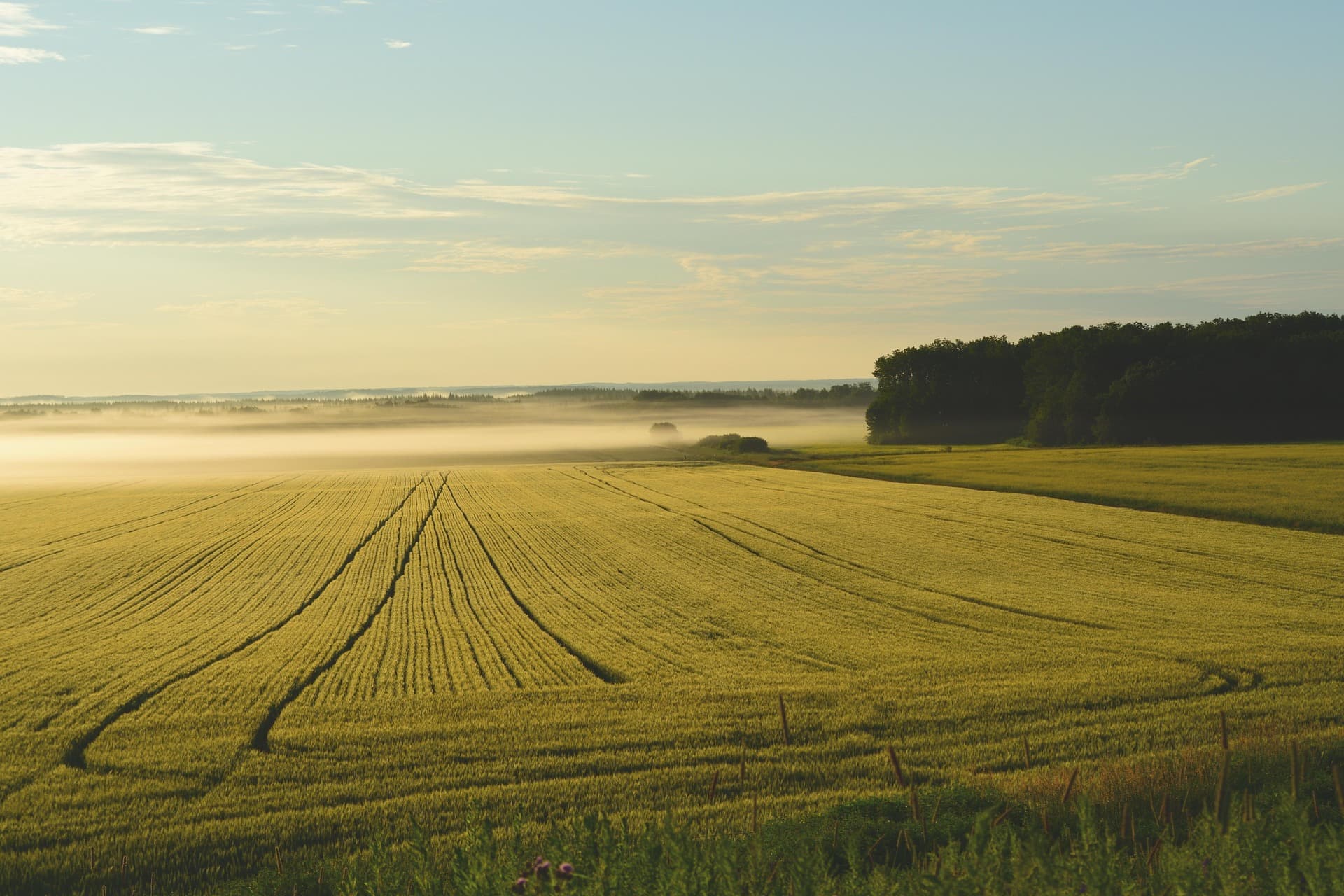
Open rural land bordered by forest under a broad Canadian sky
01

A parcel is more than acreage. It is habitat, memory, responsibility and possibility held in one boundary.

01

Listen first
Begin with the future you hope for.

02

Review honestly
Not every property or path will fit.

03

Formalize carefully
Independent advice comes before transfer.

Your situation

Start with where you are, not with a legal instrument.

“Donate,” “sell,” and “leave it in a will” are possible tools—not starting points. Choose the thought closest to yours and we’ll point you toward a useful first read.

A useful way in

You can let go without making the next decision carelessly.

Cost, distance, health or a change in life can turn a meaningful property into a responsibility you no longer want. That does not make you a poor steward.

Before choosing an outcome

Separate the need to stop owning the property from the question of who should own it next. Then compare the realistic paths and their trade-offs.
Stewardship is a verb

Preservation is one path. Good care can take several forms.

Some land is best left largely natural. Other land may benefit from restoration, planting or thoughtful management. The right role begins with what is already there and what can realistically be sustained.

I

Protect

Keep existing woodland, wetlands and habitat functioning where restraint is the right form of care.

II

Restore

Repair degraded ground with patient, site-appropriate planting and natural regeneration.

III

Grow

Establish native seed, nut, nursery or forest systems where active management fits the land.

IV

Teach

Use an accessible landscape to share practical knowledge about trees, seed and stewardship.

Possible futures

One property can hold more than one future.

A woodlot, wet corner and former field may need completely different forms of care. Explore this conceptual transect to see how present conditions—not a predetermined promise—shape what may be possible.

01

Tree cover already present

Existing woodland

Possible rolePatiently managed native woodland

Canopy, habitat, seed, shade and long-term forest structure.

Review lens
Species, age, health, access and ecological value
02

Wetland, stream or riparian edge

Wet ground & water

Possible roleProtected hydrology and habitat

Water filtration, wildlife movement and seasonal resilience.

Review lens
Drainage, buffers, regulation and existing disturbance
03

Old pasture or abandoned farmland

Former field

Possible roleRestoration planting or natural succession

New forest cover, pollinator habitat and connected corridors.

Review lens
Soil, exposure, invasive plants and establishment cost
04

Open land with suitable soil and access

Orchard ground

Possible roleNative seed or long-lived nut orchard

Locally adapted seed, food, genetics and future planting stock.

Review lens
Climate, drainage, spacing and practical maintenance
05

Accessible mixed-use rural ground

Learning landscape

Possible roleNursery, demonstration or education site

Hands-on learning, propagation and community knowledge.

Review lens
Access, safety, infrastructure and long-term operating fit

This atlas is illustrative. Soil, access, zoning, title, habitat, buildings, liabilities, cost and landowner wishes must all be reviewed before any future use is discussed.

How we approach stewardship

Care for the land begins with a careful conversation.

No two properties carry the same history, constraints or possibilities. Our role is to listen, review the facts honestly and help identify a path that is practical for both the landowner and the land.

01

Begin with the landowner’s hopes

We want to understand the history, the concern and the future you have in mind before discussing mechanisms.

02

Assess each property on its own

Location, title, access, ecology, buildings, liabilities and long-term cost can make seemingly similar parcels very different.

03

Say what is and is not workable

A responsible review may lead to a different recipient, a conventional sale, more planning—or no arrangement at all.

04

Put lasting promises into legal form

If a transfer progresses, landowners should use independent legal and tax advisers. Important restrictions belong in formal documents.

Property review dossier

Acreage starts the description. It does not finish the assessment.

These are the questions behind a responsible first review. They are not a scorecard, a valuation or an indication that a property will be accepted.

Initial fit · field sheetProperty types worth discussing
  • 01Forested land or woodlot
  • 02Mixed woodland and open ground
  • 03Abandoned farmland or old pasture
  • 04Wetland or riparian property
  • 05Rural acreage with restoration potential
  • 06Ground that may suit seed, orchard or nursery use
Review lens

Six groups of facts that can materially change the options.

Place
Province, municipality, surrounding land uses and distance from practical stewardship capacity.
Ground
Acreage, soil, drainage, slope, existing forest, habitat and signs of contamination or disturbance.
Access
Legal and physical access, roads, seasonal conditions, boundaries and nearby services.
Title
Ownership, survey information, easements, mortgages, liens, taxes, zoning and other legal interests.
Structures
Buildings, wells, septic systems, utilities, safety concerns, insurance and maintenance burden.
Future fit
Landowner wishes, realistic uses, operating costs and whether care can be sustained over decades.
You do not need every answer to begin.

Province, approximate acreage, the current condition and what you hope happens next are enough for an initial inquiry. Exact addresses, title records and financial documents can wait until there is a reason to review them securely.

The generational horizon

Think beyond the transfer date.

A deed changes ownership in a moment. A living landscape changes over decades. Stewardship planning asks whether today’s decision can still make ecological and practical sense long after the paperwork is complete.

Experience the 100-year forest story
  1. TodayListen

    Record what matters to the owner and what exists on the ground.

  2. 10 yearsEstablish

    Protect sensitive areas, begin restoration or strengthen useful tree systems.

  3. 50 yearsMature

    A woodland, orchard or habitat network begins to express the original intent.

  4. 100 yearsEndure

    The property’s value is measured in living systems and choices that outlast one owner.

How the conversation moves

No leap from inquiry to transfer.

A responsible process narrows uncertainty in stages. You remain in control of whether to continue, and formal advice comes before formal commitment.

  1. 01
    You

    Share the outline

    Tell us the province, approximate acreage, present condition and the future you care about.

  2. 02
    Little Tree Farm

    Make an initial review

    We consider broad fit, practical distance, known constraints and whether a conversation is useful.

  3. 03
    Together

    Talk through the land

    We ask questions, listen to its history and clarify what you do—and do not—want.

  4. 04
    Together

    Compare realistic paths

    That may include more planning, donation, future gift, sale, another recipient or no transfer.

  5. 05
    Your advisers

    Get independent advice

    Your own lawyer, accountant, appraiser or other adviser should examine consequences and documents.

  6. 06
    All parties

    Complete due diligence

    Only a viable path moves to title review, inspections, formal terms and properly executed agreements.

A good outcome may be a different path. An initial review is valuable even when it shows that selling conventionally, planning within the family or speaking with another organization is more appropriate.

Program questions

Clear answers before a conversation.

The program is still developing. These answers describe the starting principles—not a promise about any particular property or arrangement.

01Does Little Tree Farm accept every property?

No. Every property must be reviewed individually. Location, legal status, access, condition, liabilities, cost and realistic long-term stewardship potential can all affect whether any arrangement is workable.

02Will Little Tree Farm purchase my land?

Possibly, but no purchase or price is guaranteed. Depending on the property and circumstances, the realistic path may be a conventional sale, a donation or future gift, another recipient, more planning, or no transfer to Little Tree Farm.

03Can land be donated in Canada?

Land can generally be gifted or transferred, but legal and tax consequences depend on the owner, property, recipient and structure. A donation does not automatically produce a charitable receipt. Obtain independent legal and tax advice for your situation.

04Can I leave land to Little Tree Farm in my will?

A landowner may be able to name a recipient in a will, but the recipient should be consulted and must be able to accept the property when the estate is administered. Debts, taxes, title, carrying costs and an alternate plan should be considered with your lawyer.

05Can I specify what happens to the land?

Your wishes should be discussed clearly. Whether they can bind future owners depends on the law, the property and the formal documents used. A webpage, conversation or informal understanding is not a permanent land-use restriction.

06Will stewardship mean leaving the land untouched?

Not necessarily. Some areas may be best left largely natural; others may benefit from restoration, planting or careful management. Any proposed role should fit the site and be practical to sustain.

07What if the property has a mortgage, lien or unpaid taxes?

Those issues must be disclosed and professionally reviewed. Little Tree Farm does not promise to assume a debt, lien, tax arrears, environmental concern or other liability attached to a property.

08Can I reach out before I am ready to act?

Yes. An early conversation can help identify the facts and professional advice you may need. It creates no obligation for you to proceed and no obligation for Little Tree Farm to accept or acquire the property.

Begin before you are certain

A first conversation can be small.

You do not need a transfer plan, appraisal or complete file. Begin with the broad shape of the property and the future you would like to explore.

“I own about 40 acres of mixed woodland in New Brunswick. My children do not want it, but I would rather not see it cleared.”

Please do not send deeds, tax records, banking details, identification numbers or other sensitive documents in a first message.

Initial inquiry · no obligationTell us the broad shape of the property.

Required. We use your number only to follow up about your request or answer next-step questions.

Broad features and your hopes are enough for a first conversation.

Please do not include an exact address, deeds, title documents, financial details, identification numbers or other sensitive records.